Chulu West Peak Expedition
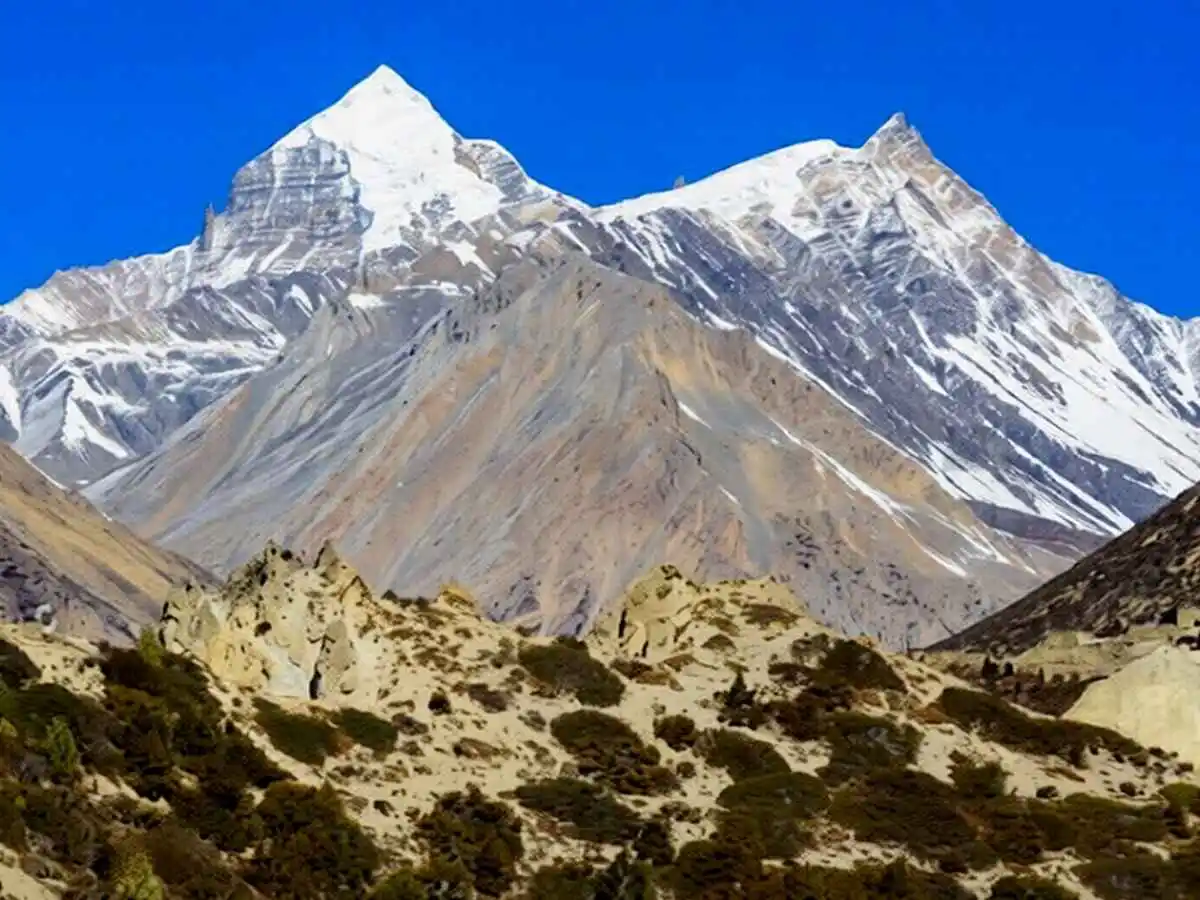
Chulu West Peak, also known as "Chulu West" or the "Chulu West Peak Expedition," is part of the Chulu mountain group in Nepal's Annapurna region and a stunning destination for experienced climbers. It is known for its challenging routes and breathtaking views, and it allows adventurers to explore the Himalayas' rugged terrain and natural beauty. Climbers frequently use its full name to emphasize the prestige of summiting this iconic peak.
Chulu West Peak (6,419 meters / 21,059 feet) is located in the Annapurna region of Nepal. It is a great combination of trekking and real Himalayan climbing. The ascent to the summit follows part of the famous Annapurna Circuit route, passing through traditional mountain villages, high passes, and beautiful alpine scenery before entering the quieter terrain around the peak. The climb includes glaciers, snow slopes, rocky sections, and some steep and exposed sections, so it requires a good level of fitness, proper acclimatization, and basic mountaineering skills. On the way you can enjoy spectacular views of Annapurna, Manaslu, Dhaulagiri, and surrounding peaks. Chulu West Peak Climbing is a challenging but very rewarding adventure for climbers who want to go beyond a normal trek and experience the challenge and excitement of a 6,000-meter Himalayan summit.
Location of Chulu West Peak
Chulu West Peak is located in the Manang district of Nepal’s Annapurna region, within the Annapurna Conservation Area. The journey follows part of the famous Annapurna Circuit before leaving the main trail and heading toward the quieter Chulu West climbing area. Along the way, you pass through traditional mountain villages, green valleys, pine forests, dry Himalayan landscapes, and high mountain terrain. As you gain altitude, the surroundings become more rugged and alpine, with beautiful views of Annapurna II, Annapurna III, Annapurna IV, Gangapurna, Dhaulagiri, Manaslu, and other nearby peaks. The location makes Chulu West special because the journey combines the culture and natural beauty of the Annapurna region with the challenge of climbing a 6,000-meter Himalayan peak.
Chulu West Peak Climbing History
Chulu West has a long history of Himalayan climbing, and a Japanese expedition led by Masaki Koshizuka first summited it in 1952. Since then, the peak has attracted climbers looking for a challenging and rewarding 6,000-meter climbing experience in Nepal. It is a popular choice for those who want to move beyond high-altitude trekking and gain experience in glacier travel, snow climbing, and basic mountaineering. Although Chulu West is classified as a trekking peak, it should not be underestimated. The climb requires thorough physical preparation, proper equipment, careful acclimatization, and an experienced climbing team, as snow, ice, weather, and route conditions can change quickly in the high Himalayas.
Chulu West Peak Climbing Difficulty
Chulu West is a challenging high-altitude trekking peak and should not be treated like a normal trek. The climb involves glacier travel, steep snow and ice slopes, rocky sections, and sometimes fixed ropes and exposed terrain. Climbers may need to use crampons, an ice axe, a harness, climbing ropes, and an ascender depending on the route and mountain conditions. The biggest challenge is not only the technical climbing but also the 6,000-meter altitude, where thin air, cold temperatures, long climbing days, and changing weather can make the summit push physically demanding. Previous high-altitude trekking experience is highly recommended, along with good fitness, endurance, and basic knowledge of snow and ice climbing. With proper acclimatization, thorough preparation, and support from an experienced climbing team, Chulu West can be a realistic and rewarding goal for strong trekkers and climbers who want to take their first steps into higher Himalayan mountaineering.
Best Season to Climb Chulu West Peak
The best seasons for Chulu West Peak climbing are spring and autumn, when the weather is generally more stable and mountain visibility is at its best. Spring (March to May) is one of the most favorable times, with longer days, clearer skies, and better climbing conditions, especially in April and May. Autumn (September to November) is another excellent season, as the monsoon usually clears the sky and brings dry weather, good visibility, and stable conditions. Winter and monsoon are less suitable for most climbers. Winter brings extreme cold, heavy snow, icy trails, and shorter days, while the monsoon can bring rain, clouds, wet trails, and unpredictable mountain conditions. Overall, spring and autumn offer the best combination of good weather, clear mountain views, and safer climbing conditions for Chulu West.
Chulu West Peak Climbing Itinerary and Duration
The Chulu West Peak climbing route combines the scenic Annapurna Circuit with a climb toward Chulu West Base Camp and the high mountain slopes. The journey begins with a drive from Kathmandu to Besisahar and continues through Dharapani, Chame, Pisang, Manang, and Ledar, allowing climbers to gradually acclimatize. From Ledar, the trail heads toward Chulu West Base Camp, where climbers prepare for the technical climb through rocky terrain, snow, glacier sections, and fixed ropes. Summit day usually starts before dawn and requires excellent fitness, endurance, and concentration to reach the 6,419-meter summit. The complete journey normally takes around 16–21 days, depending on weather, acclimatization, and climbing conditions. The route may change slightly according to snow and glacier conditions, so flexibility is important for a safe and successful climb.
Why Choose Chulu West Peak?
Chulu West is a fantastic choice if you want more than a regular Himalayan trek. It combines the beauty of the Annapurna Circuit with the challenge of climbing a 6,419-meter Himalayan peak. Along the way, you experience beautiful mountain villages, Buddhist culture, glaciers, snow slopes, and spectacular views of the Annapurna, Manaslu, and Dhaulagiri ranges. The climb also gives you practical experience with crampons, ropes, ice axes, and glacier travel, making it a good challenge for experienced trekkers who want to develop their mountaineering skills. Compared with some of Nepal’s busier climbing peaks, Chulu West can offer a quieter and more personal mountain experience. Most importantly, the reward is reaching the summit and enjoying the entire journey—from the first day on the trail to the final climb and the unforgettable feeling of standing at 6,419 meters.
Why Choose Ethic Himalaya for Chulu West Peak?
At Ethic Himalaya, we believe a successful mountain adventure is about more than reaching the summit. It is about thorough preparation, safety, responsible climbing, and enjoying the journey. Our experienced local climbing team provides support from Kathmandu to the mountain and back, with careful acclimatization, practical climbing guidance, and close attention to weather and route conditions. We keep our approach personal and flexible, understanding that every climber has different experience and fitness levels. With Ethic Himalaya, you can expect experienced local guides, proper acclimatization, climbing equipment support, safety-focused decisions, local knowledge, and responsible travel practices. Our goal is simple: to help you climb Chulu West safely and confidently while enjoying the people, culture, and incredible landscapes of the Annapurna region.
Chulu West Peak Climbing – More Than a Summit
Chulu West Peak Climbing is a challenging but rewarding Himalayan adventure. At 6,419 meters, it offers a real taste of high-altitude mountaineering while taking you through the beautiful landscapes and culture of the Annapurna region. From mountain villages and scenic trails to glaciers, snowy slopes, and the final summit climb, every stage brings a new experience. The climb will test your fitness, patience, and determination, but standing on the summit and looking across the Himalayas makes all the effort worthwhile. With thorough preparation and an experienced climbing team, Chulu West can be more than a summit—it can be a memorable step into Himalayan mountaineering.